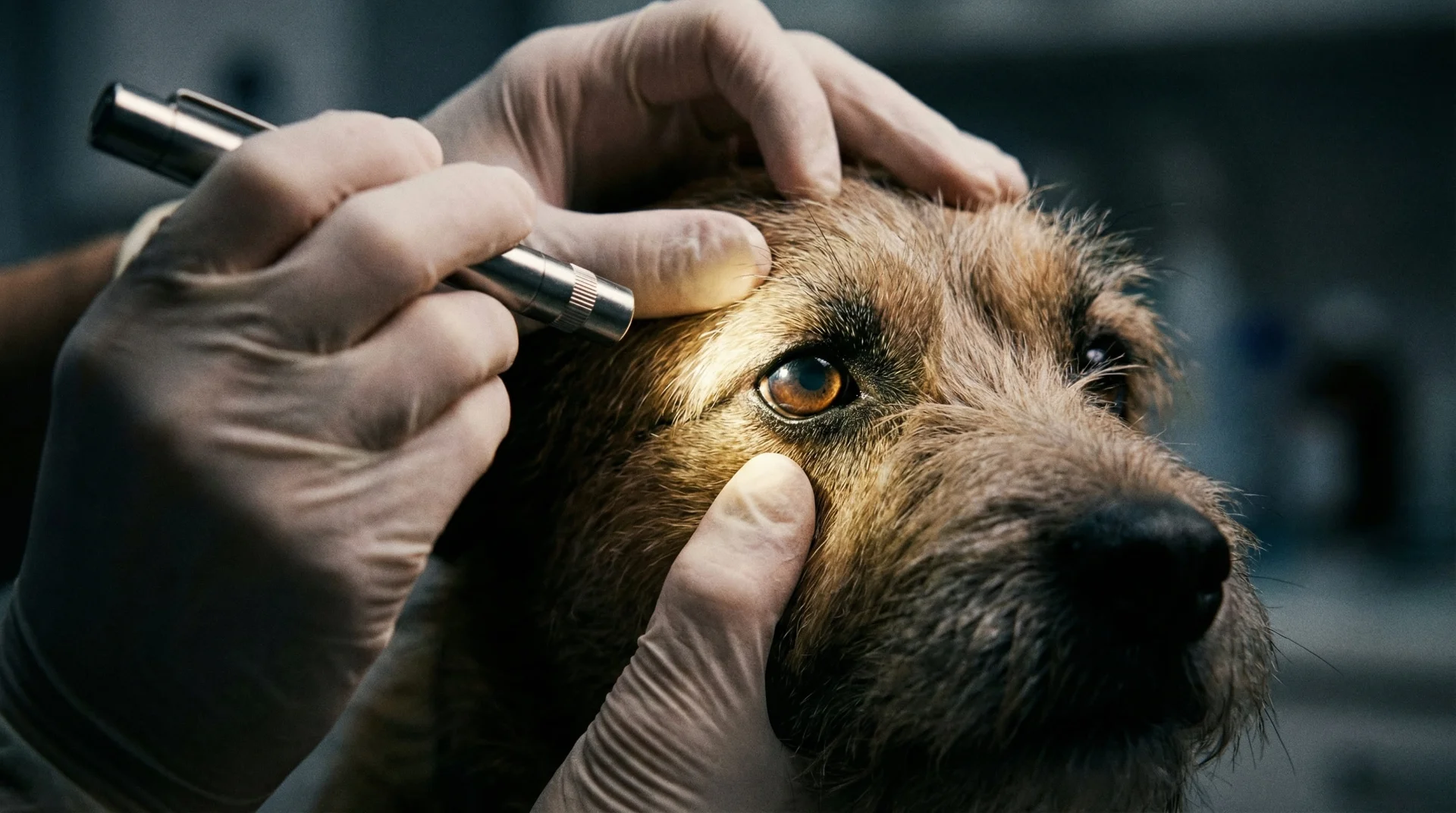
Senior Pet Care
As pets grow older, their bodies begin to slow down and their needs change. Dogs and cats typically reach their senior stage between 7–11 years, depending on their size and breed.

As pets grow older, their bodies begin to slow down and their needs change. Dogs and cats typically reach their senior stage between 7–11 years, depending on their size and breed.

Pet anxiety is more common today than ever before. Loud noises, separation, travel, or past trauma can trigger stress in pets. In this blog, we break down the most common causes of anxiety, how to recognise the signs, and proven vet-approved strategies to keep your pet calm and confident.
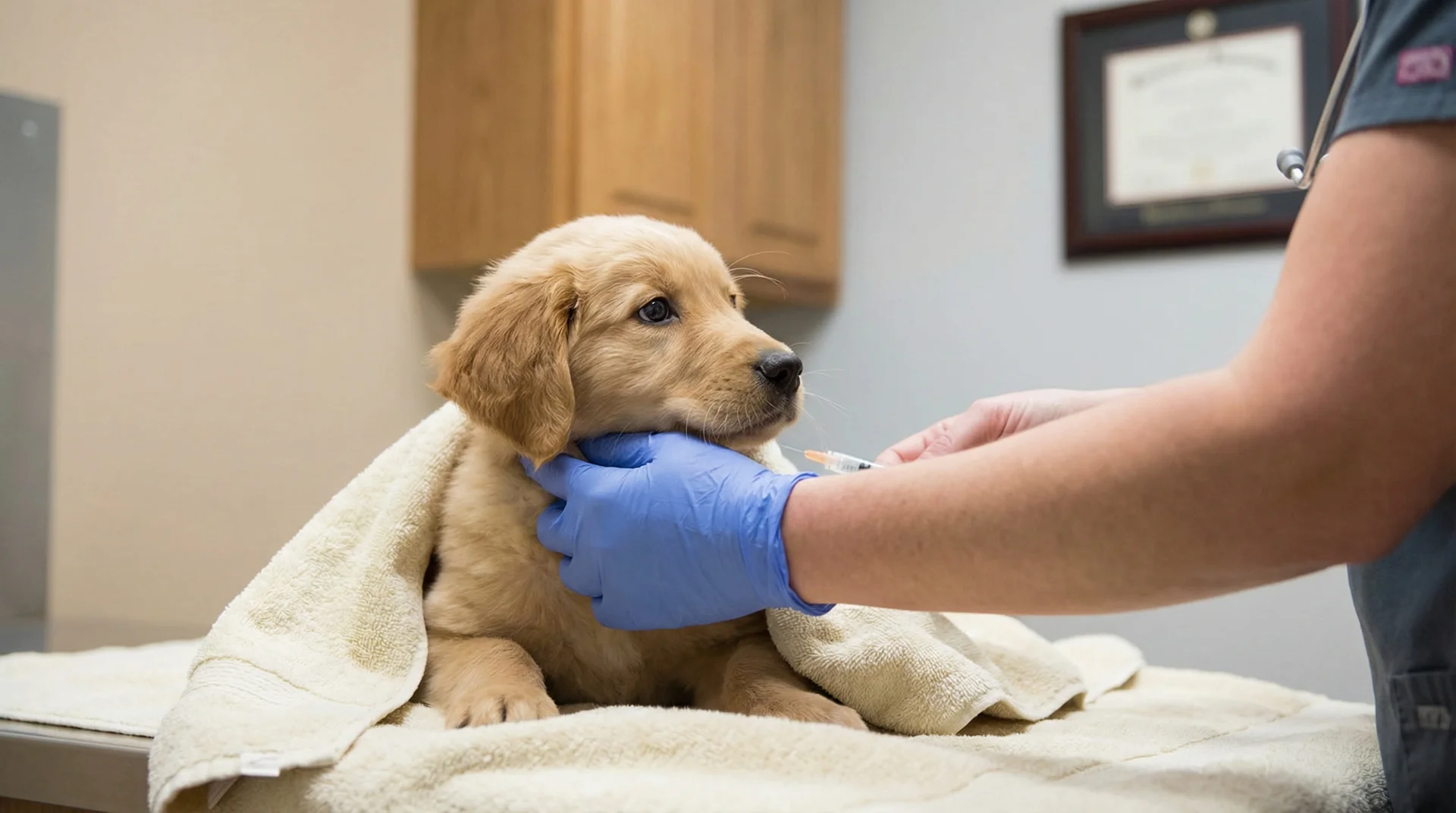
Routine check-ups, vaccinations, parasite prevention, and dental care can significantly extend your pet’s life. We explain how preventive care reduces medical emergencies, lowers vet costs, and helps your pet stay healthier as they age. Learn what a complete annual wellness plan should include.

Pets often hide discomfort, but small changes can signal something bigger. From appetite changes to unusual behaviour, early detection can prevent long-term health issues. Our veterinary team shares the most common warning signs every pet owner should be aware of — and when it’s time to seek professional help.

Proper nutrition is the foundation of your pet’s long, healthy, and active life. In 2025, vets are seeing more pets benefit from balanced diets, cleaner ingredients, and tailored nutrition plans. Whether your pet needs weight control, allergy-friendly options, or age-specific food, understanding what goes into their bowl can make a huge difference in their overall wellbeing.