
Understanding Pet Anxiety
Just like humans, pets can experience anxiety caused by fear, stress, change, or unfamiliar situations. Dogs and cats may develop anxiety due to loud noises, separation from their owners, new environments, or past traumatic experiences. When anxiety goes unnoticed, it can turn into behavioral issues that affect their daily life. Recognizing early signs helps you respond with the right care and support before the problem worsens.
Common Causes of Anxiety in Pets
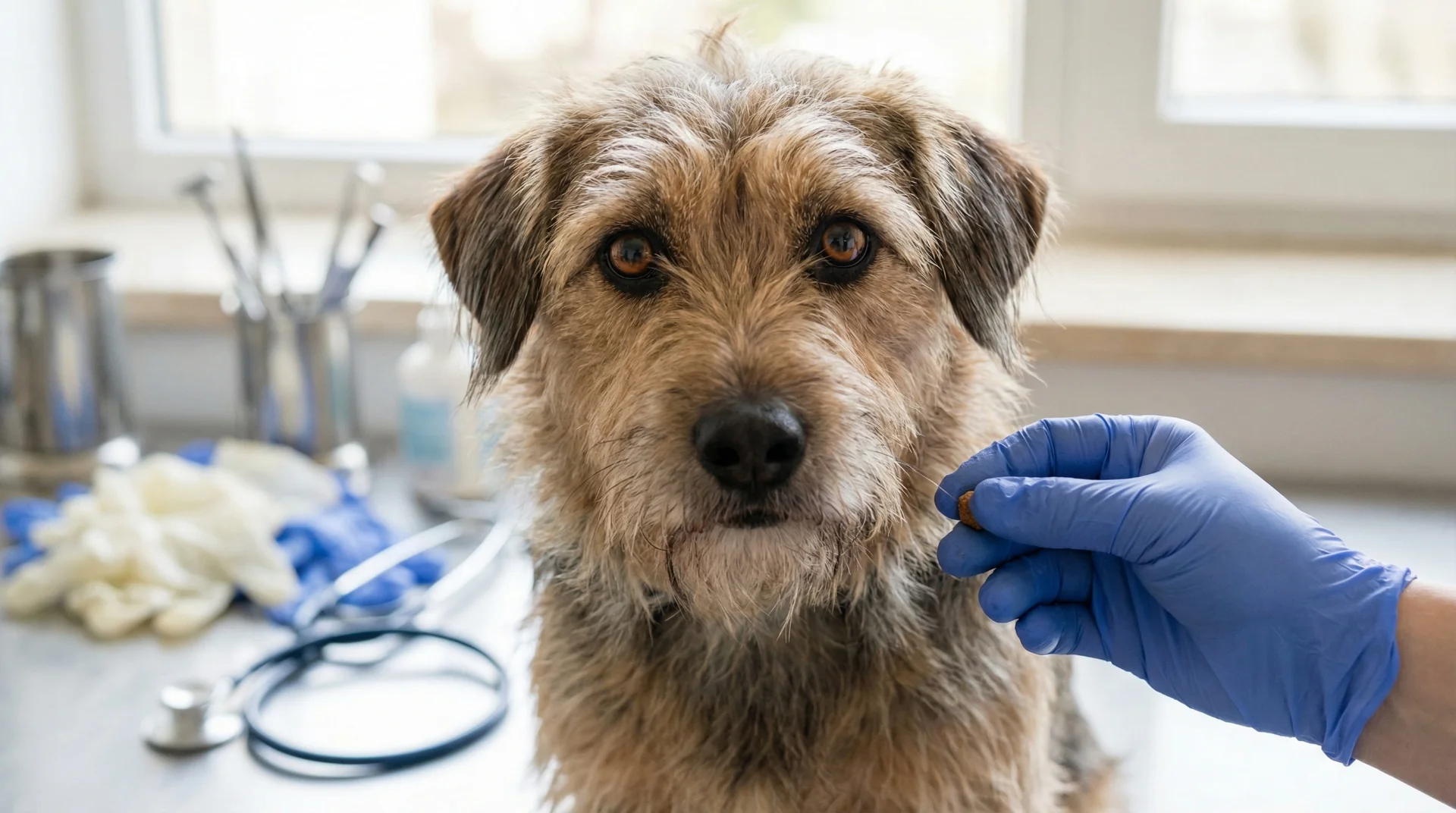
Anxiety triggers vary from pet to pet. Some animals react strongly to thunderstorms, fireworks, or sudden loud sounds, while others struggle when left alone for long hours. Changes in routine, moving to a new home, meeting new animals, or visiting the vet can also increase stress levels. Understanding the root cause makes it easier to create a safe and calming environment for your pet.
Common Anxiety Triggers:
- Loud noises (fireworks, thunderstorms, traffic)
- Separation from owners
- New environments or changes in routine
- Past trauma or negative experiences
- Introduction of new pets or people
- Illness or pain
Signs of Anxiety & Behavioural Changes
Pets express anxiety through various behavioral patterns, some subtle and others more noticeable. Anxiety may cause increased barking, restlessness, pacing, hiding, trembling, or destructive behavior like chewing furniture. Cats may overgroom, urinate outside the litter box, or isolate themselves. These behaviors are your pet’s way of communicating discomfort and should never be ignored.
Signs of Anxiety in Pets:
- Excessive barking or whining
- Aggression or sudden mood changes
- Trembling, shaking, or panting
- Destructive behavior
- Hiding or avoiding interaction
- Loss of appetite
- Excessive grooming or scratching
How to Manage Pet Anxiety at Home
Providing a calm, predictable environment is one of the best ways to reduce anxiety in pets. Ensure they have a safe space, such as a quiet corner or cozy bed, where they can relax when stressed. Maintaining a regular feeding, walking, and play schedule also helps create stability. Using toys, slow feeders, or mental stimulation activities can relieve boredom and reduce stress.
Professional Support & Training
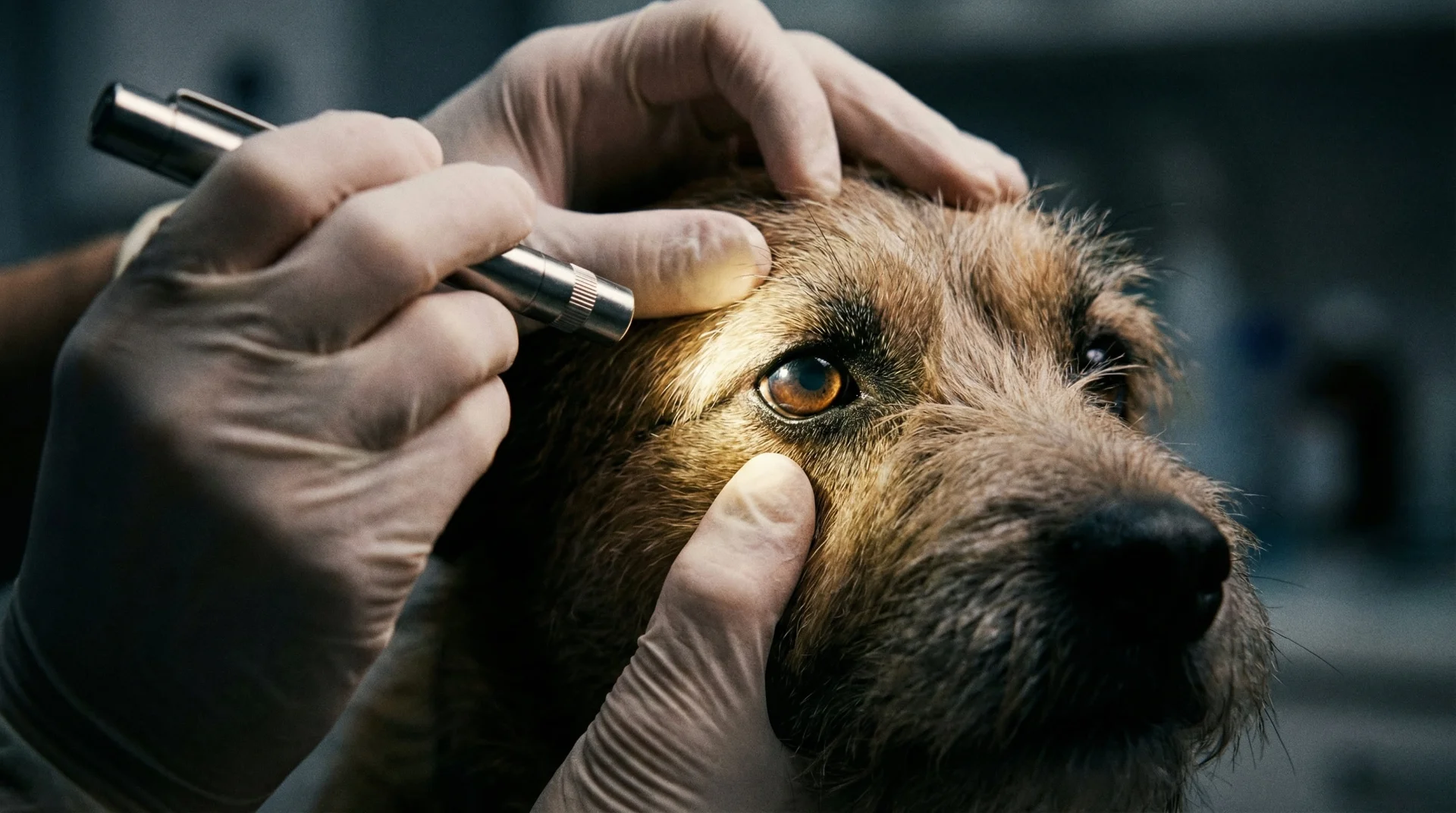
In some cases, anxiety may be linked to medical issues, especially sudden behavioral changes. Veterinary exams help rule out underlying conditions such as pain, thyroid problems, or neurological issues. Professional trainers or behaviorists can also help guide pets through desensitization and positive reinforcement techniques, teaching them to cope with triggers in a healthy way.
When to Seek Veterinary Help
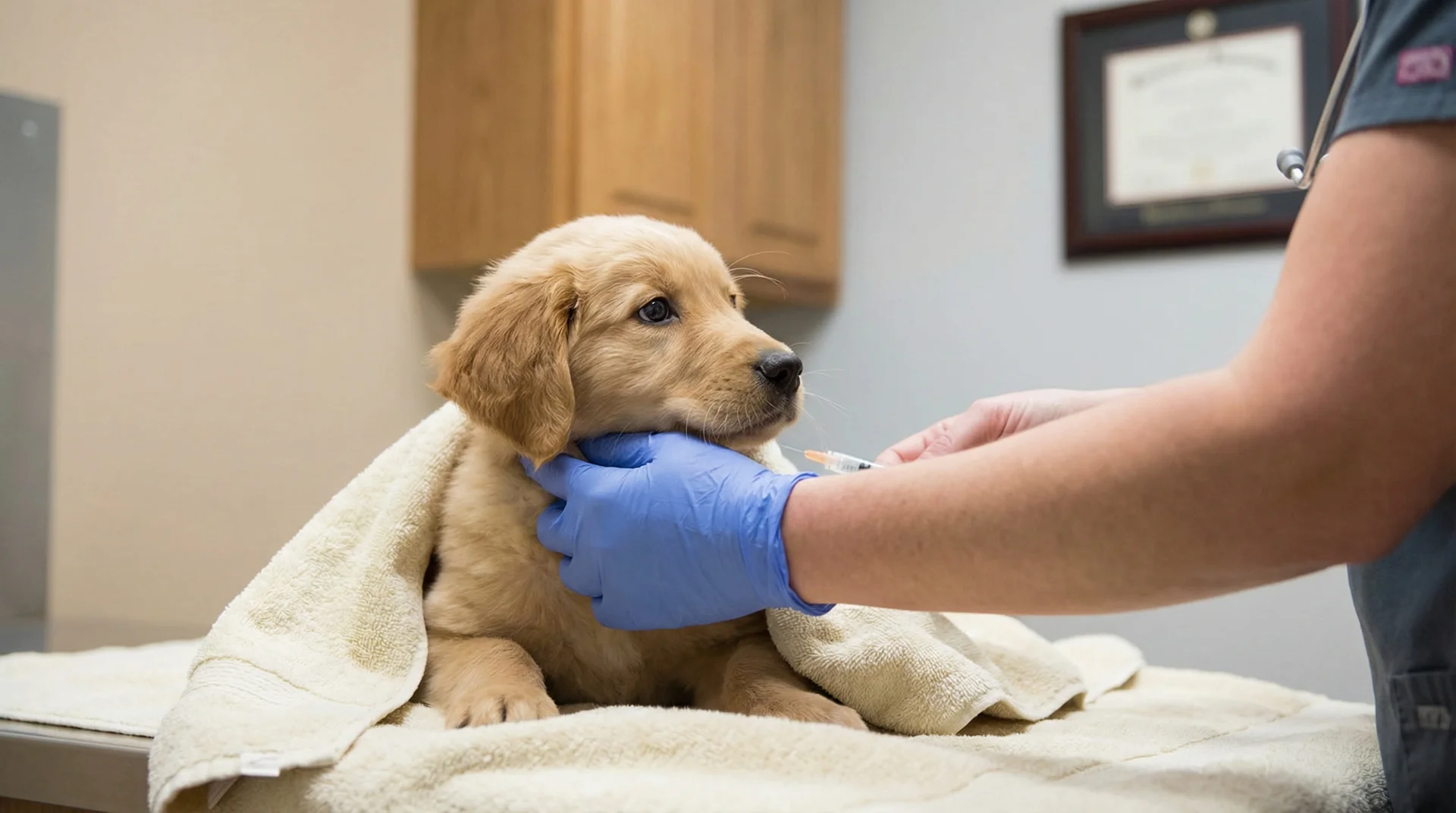
If your pet’s anxiety becomes severe or affects their daily life, professional intervention is essential. Vets may recommend behavior therapy, calming supplements, or medication depending on your pet’s needs. Early treatment helps prevent long-term anxiety and improves your pet’s emotional wellbeing. At CoraVets, we provide expert behavioural consultations and personalized care plans to help pets feel safe, stable, and confident.