
Understanding Senior Pets
As pets grow older, their bodies begin to slow down and their needs change. Dogs and cats typically reach their senior stage between 7–11 years, depending on their size and breed. During this time, they may start experiencing reduced mobility, lower energy levels, and age-related conditions. Understanding these changes helps pet owners provide the right care and support to ensure their pets stay healthy and comfortable during their golden years.
The Importance of Regular Vet Checkups
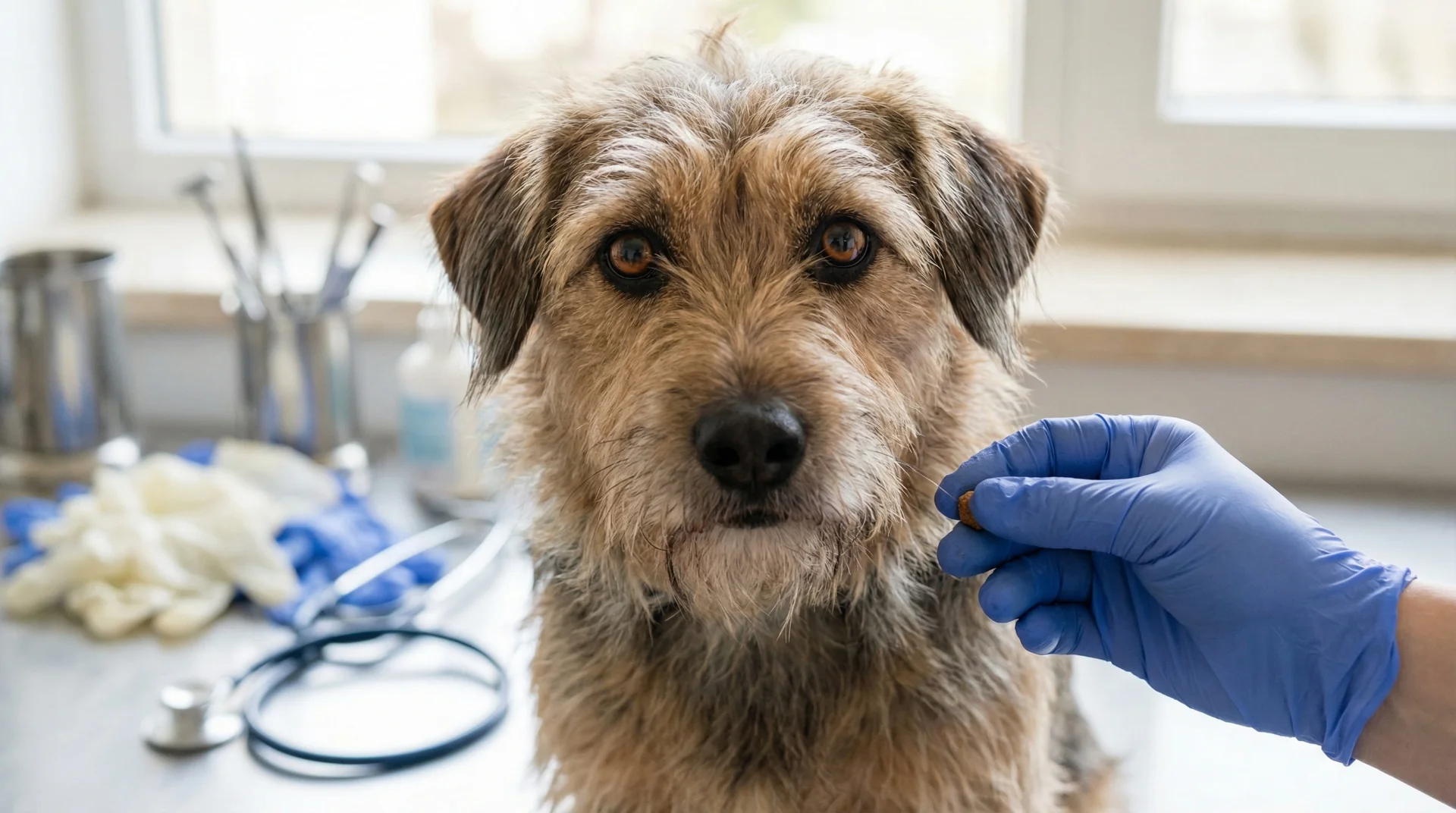
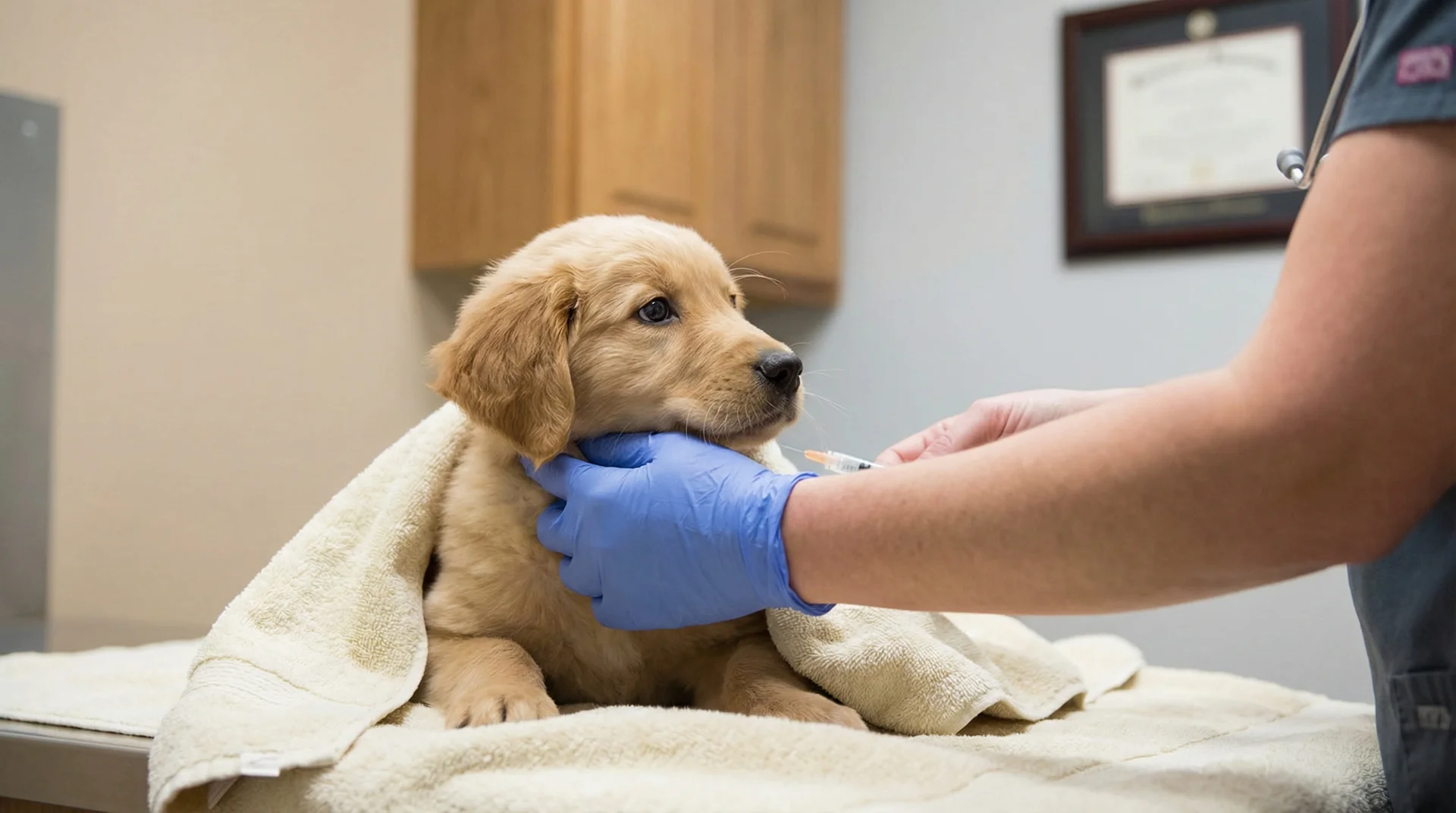
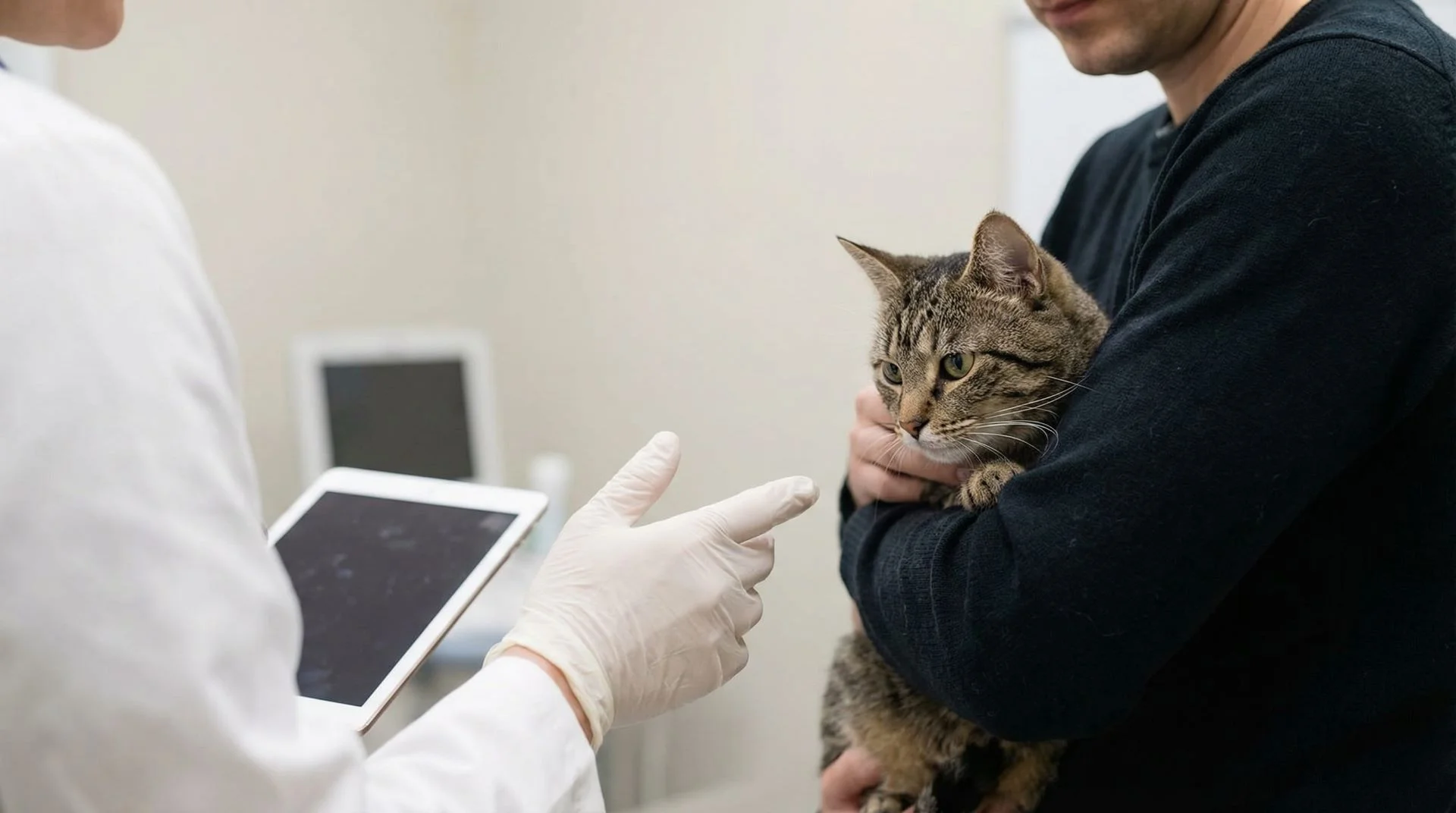
Senior pets are more likely to develop chronic illnesses such as arthritis, kidney problems, diabetes, dental disease, and heart issues. For this reason, regular veterinary checkups—ideally every six months—are essential. These visits allow early diagnosis and treatment, helping your pet maintain a better quality of life. At CoraVets, we offer specialized senior wellness exams designed to detect health concerns before they become serious.
Important Checks for Senior Pets:
- Blood tests and urine tests
- Weight and mobility evaluation
- Dental examination
- Heart and kidney function checks
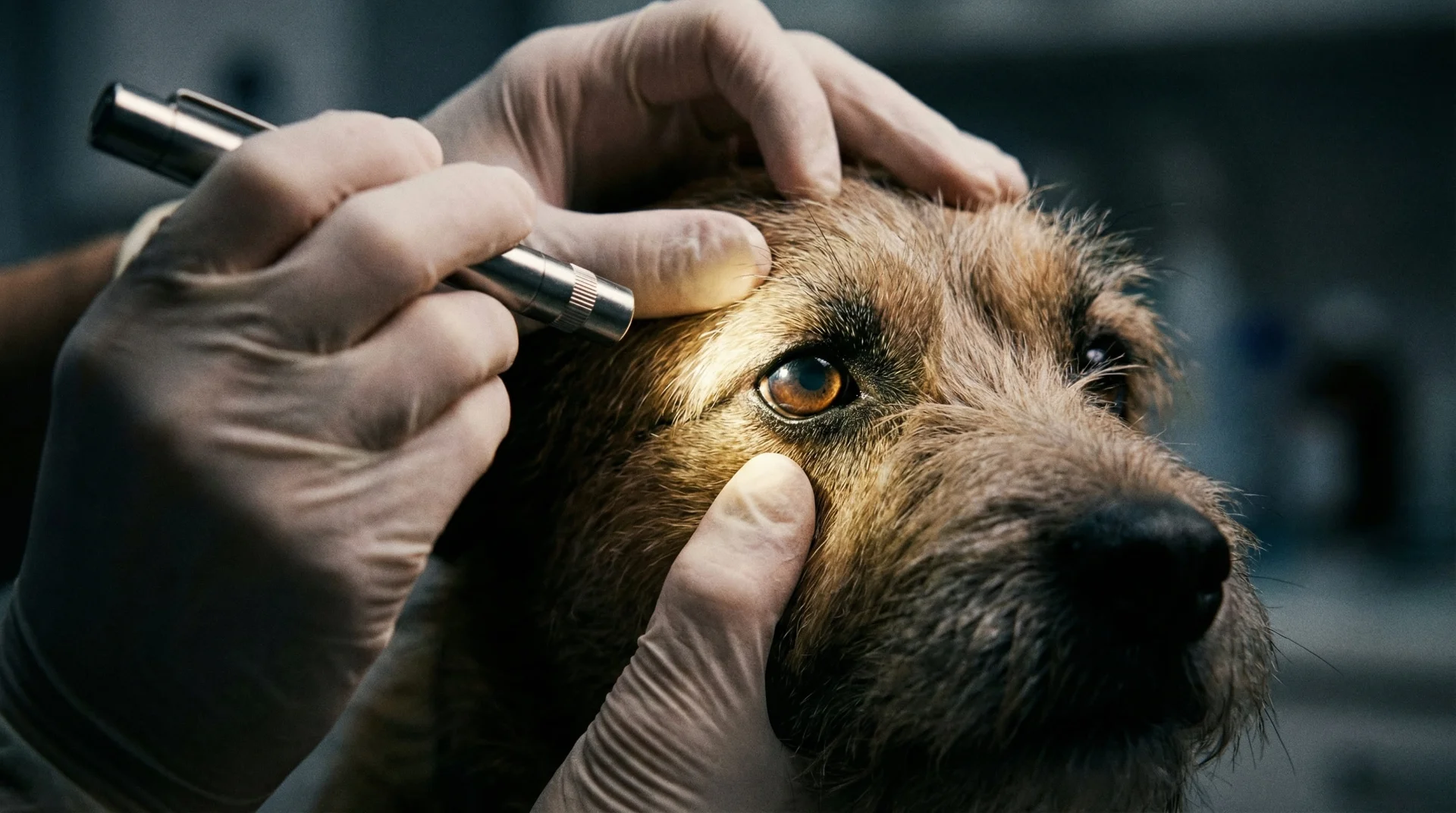
- Vision and hearing assessment
Nutrition and Diet for Senior Pets
Aging pets require a diet tailored to their specific needs. Senior pet food usually contains fewer calories, more fiber, and ingredients that support joint, heart, and digestive health. Proper nutrition helps maintain a healthy weight, which reduces strain on joints and organs. Always consult your veterinarian before changing your pet’s diet to ensure it meets their age-related requirements.
Diet Tips:
- Choose senior-specific pet food
- Add supplements for joint health (only if recommended)
- Ensure fresh water is always available
- Avoid overfeeding & unhealthy treats
Exercise and Daily Comfort
Even though senior pets slow down, they still need regular movement to keep their joints flexible and their minds active. Gentle walks, soft playtime, and low-impact activities like swimming help maintain mobility. At home, providing comfortable bedding, non-slip floors, ramps for easier mobility, and a warm resting place can significantly improve their comfort and safety.
Grooming, Dental Care & Behavior Monitoring
Regular grooming becomes essential as older pets may have difficulty cleaning themselves. Brushing, nail trimming, and checking for skin changes helps spot early signs of illness. Dental care also plays a major role in senior health, as untreated dental issues can affect appetite and overall wellbeing. Additionally, monitoring your pet’s behavior—including confusion, irritability, appetite loss, or increased thirst—can help identify underlying health problems that need veterinary attention.
Emotional Support and Quality Time
Senior pets often become more emotionally sensitive and need extra love, patience, and reassurance. Spending quality time with them, maintaining a stable routine, and offering gentle affection can improve their mental wellbeing. With proper care, attention, and veterinary support, your senior pet can live a comfortable, peaceful, and joyful life throughout their golden years.