

Why Nutrition Matters More in 2025
As pet health research evolves, 2025 brings a clearer understanding of how nutrition directly impacts your pet’s lifespan, immunity, energy levels, and disease prevention. Modern pets require balanced diets tailored to their age, activity level, and health conditions. With new studies highlighting the risks of obesity, allergies, and nutrient deficiencies, pet owners must make informed choices about food quality and ingredients. The better your pet eats, the healthier and happier they stay.
Understanding Essential Nutrients
A complete diet must include proteins, fats, carbohydrates, vitamins, and minerals. High-quality proteins support muscle health, while healthy fats improve skin, coat, and brain function. Carbohydrates provide energy, and vitamins/minerals keep the immune system strong. In 2025, veterinarians recommend avoiding low-quality fillers and artificial preservatives that offer no nutritional value. Choosing foods with natural ingredients is key to long-term health.
Essential Nutrients Your Pet Needs:
-
High-quality animal protein
-
Omega-3 & Omega-6 fatty acids
-
Fiber for digestion
-
Vitamins A, D, E & B-complex
-
Calcium & phosphorus for bone health
Life-Stage Nutrition Matters
Pets have different nutritional needs at different stages of life. Puppies and kittens need high-calorie food for growth, while adults need balanced meals to maintain weight and energy. Senior pets require lower-calorie diets with joint-support ingredients. Feeding the wrong food at the wrong life stage can lead to obesity, joint problems, and weakness.
Life-Stage Diet Tips:
-
Puppies/Kittens: High protein & DHA for brain development
-
Adult Pets: Balanced nutrients for maintenance
-
Senior Pets: Low calories, joint support, easy-to-digest formulas
Trending Diets in 2025—What’s Safe?
In 2025, pet food trends include grain-free diets, raw feeding, freeze-dried meals, and personalized nutrition plans. While some trends offer benefits, not all are suitable for every pet. Grain-free diets may help pets with allergies, but not all pets require them. Raw diets can be nutritious but must be prepared safely to avoid bacteria. Always consult a veterinarian before switching to any specialized diet.
Trending Diet Options:
-
Grain-free formulas
-
Freeze-dried & air-dried meals
-
High-protein diets
-
Limited-ingredient diets
-
Vet-prescribed nutrition plans
Preventing Obesity & Overfeeding
Obesity remains one of the biggest health risks in pets. Overfeeding, too many treats, and lack of exercise contribute to weight gain, leading to diabetes, joint problems, and shorter lifespan. In 2025, pet nutrition guidelines strongly emphasize portion control and calorie management. Measuring meals and limiting treats are simple steps that can prevent long-term health issues.
Weight Management Tips:
-
Follow vet-recommended portion sizes
-
Choose low-calorie treats
-
Use slow feeders to prevent fast eating
-
Maintain daily exercise
When to Consult a Veterinarian
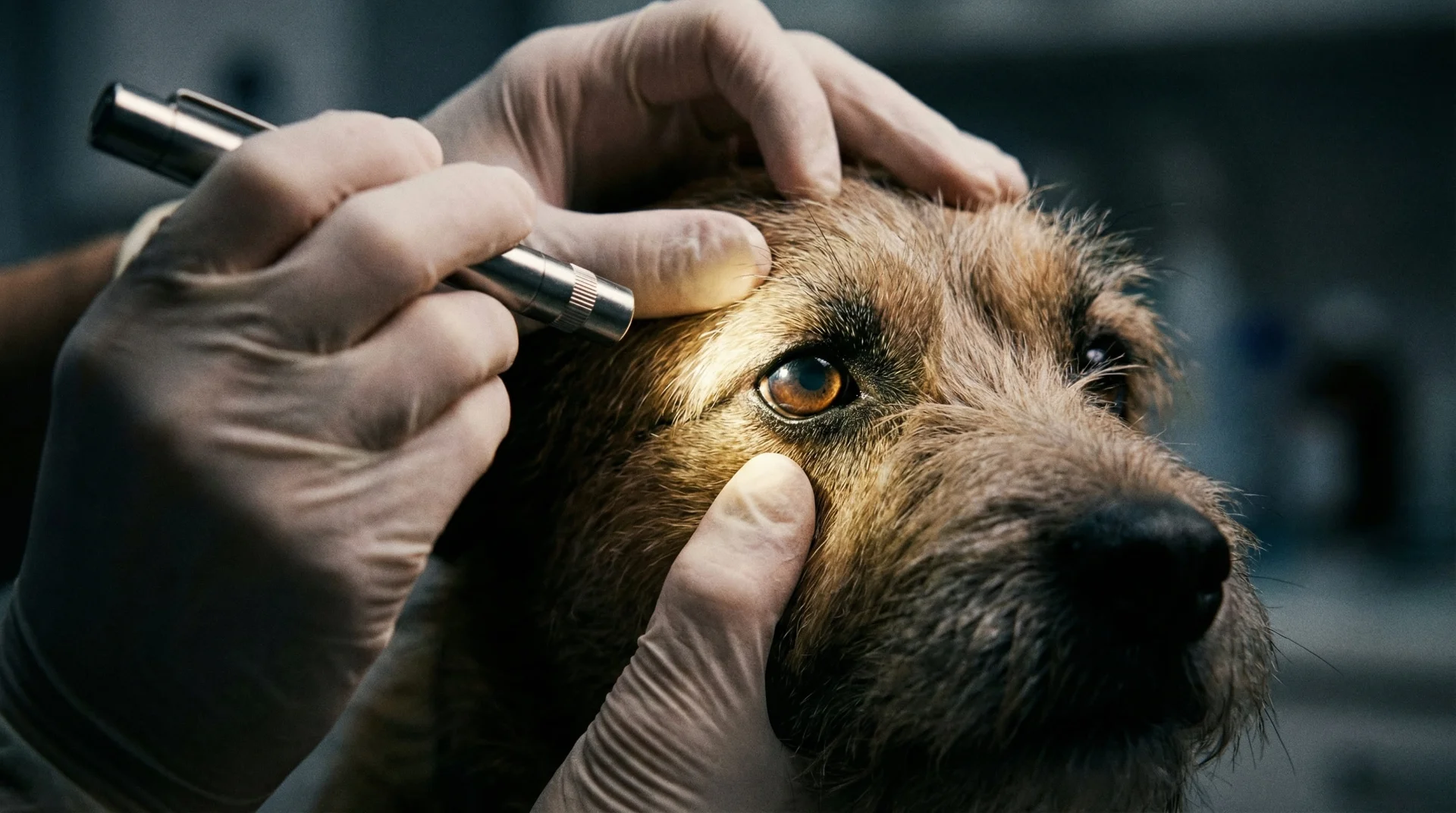
If your pet shows signs of allergies, digestive issues, skin problems, or frequent vomiting, dietary changes may be needed. A veterinarian can guide you on choosing the right food, supplements, and feeding schedule. At CoraVets, we offer personalized nutrition plans to help pets stay healthy, energetic, and protected from diet-related illnesses in 2025 and beyond.