
Why Vaccinations Matter for Pets
Vaccinations are one of the most important parts of maintaining your pet’s long-term health. They protect dogs and cats from serious, life-threatening diseases such as rabies, parvovirus, distemper, and feline leukemia. By building immunity, vaccines help prevent infections before they occur, reduce the spread of diseases, and contribute to a safer community for both pets and humans. Regular vaccinations ensure your pet stays protected at every stage of life.
Understanding Core and Non-Core Vaccines
Veterinarians classify vaccines into two categories: core and non-core. Core vaccines are essential for all pets regardless of their breed, lifestyle, or environment, as they protect against highly contagious and deadly diseases. Non-core vaccines are recommended based on your pet’s lifestyle, location, and risk of exposure. Working with your veterinarian will help you choose the right vaccination plan for your pet’s unique needs.
Core Vaccines for Dogs:
- Rabies
- Distemper
- Parvovirus
- Adenovirus
Core Vaccines for Cats:
- Rabies
- Feline Panleukopenia
- Feline Calicivirus
- Feline Herpesvirus
The Importance of Regular Preventive Care
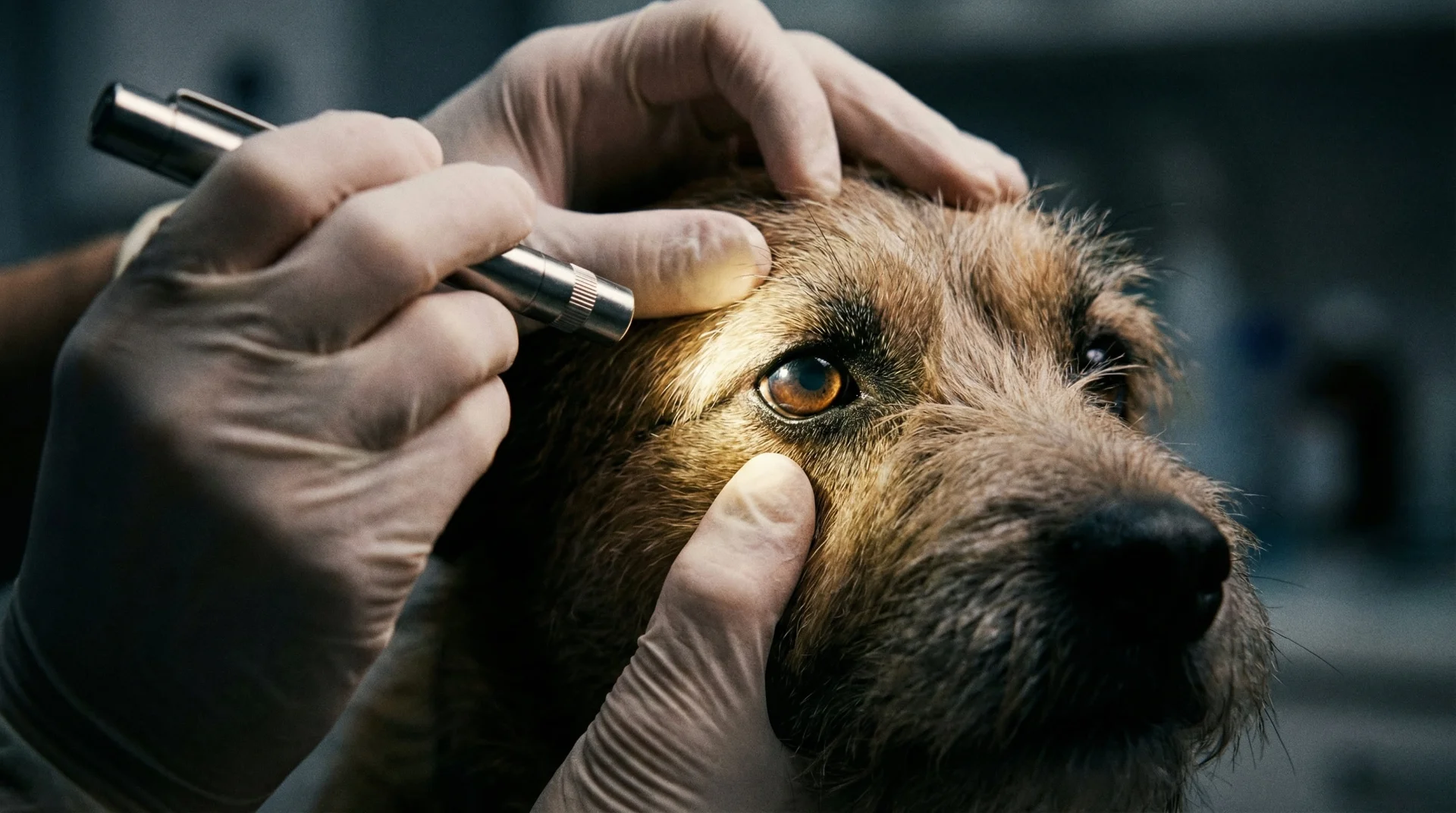
Preventive care goes beyond vaccinations. It includes routine health checks, parasite control, dental care, nutrition, and early disease detection. Regular wellness exams help identify problems before they become serious, saving your pet from discomfort and reducing long-term treatment costs. Preventive care ensures your pet stays active, comfortable, and protected from avoidable health risks.
Key Areas of Preventive Pet Care:
- Annual or biannual vet checkups
- Flea, tick, and worm prevention
- Blood tests and screenings
- Dental cleanings and oral care
- Weight and nutrition monitoring
Parasite Prevention & Control
Parasites such as fleas, ticks, mites, and worms can cause major health issues in pets, including anemia, skin infections, digestive problems, and even life-threatening diseases. Preventive treatments help keep these parasites away and protect your pet from serious illnesses. Consistent parasite control also keeps your home clean and prevents infestations that can affect humans as well.
Parasite Prevention Tips:
- Use monthly flea and tick treatments
- Deworm your pet regularly
- Keep bedding and living areas clean
- Check for ticks after outdoor activities
- Maintain regular grooming
Vaccination Schedules & Booster Shots
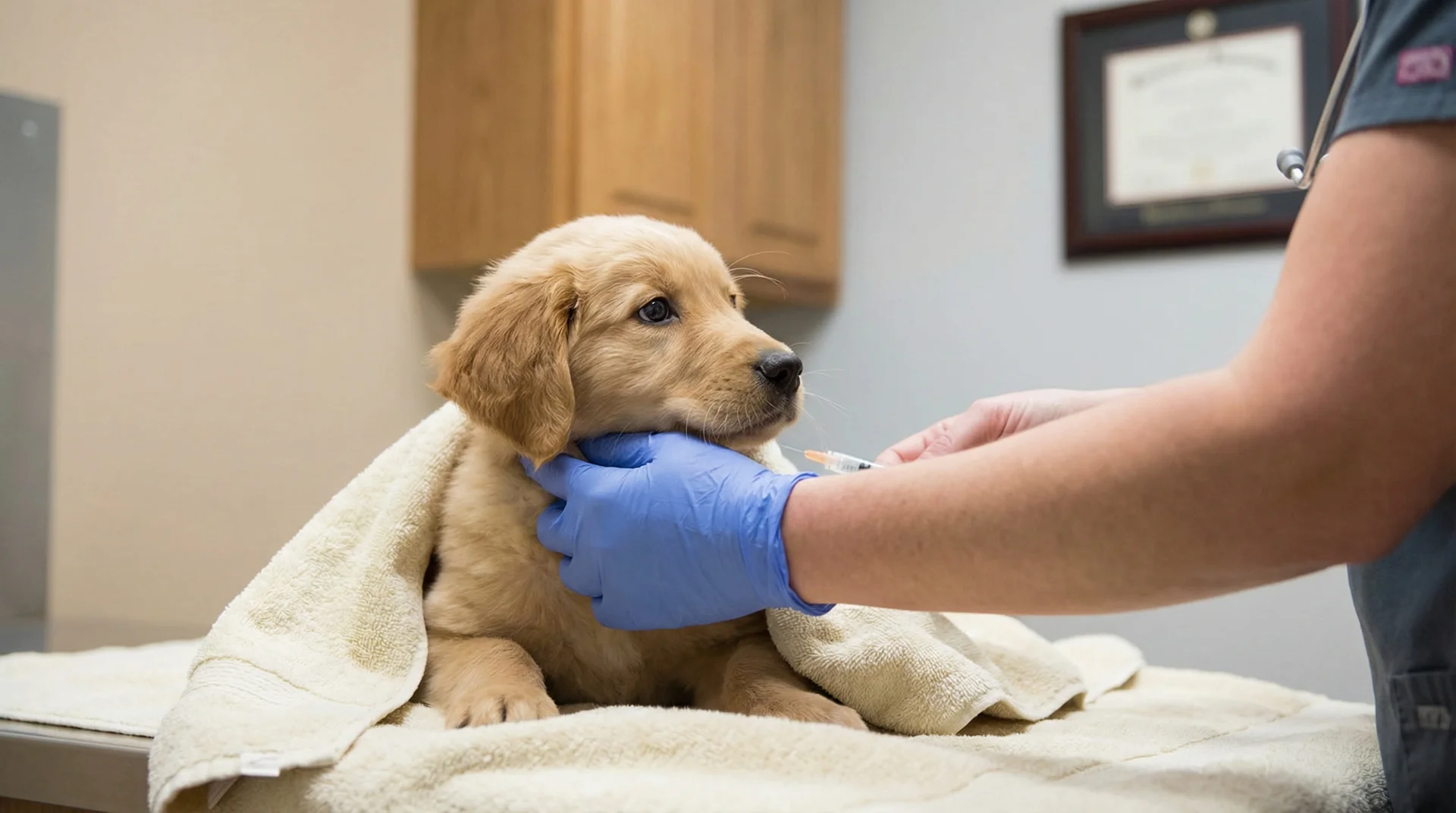
Pets require vaccinations at specific intervals to maintain strong immunity. Puppies and kittens need a series of vaccines during their early months, followed by booster shots throughout adulthood. Missing booster shots can weaken your pet’s immunity, leaving them vulnerable to dangerous diseases. Your veterinarian will create a personalized vaccination schedule based on your pet’s age, health status, and lifestyle.
General Vaccination Timeline:
- Puppies/Kittens: 6–16 weeks (multiple doses)
- Adult Pets: Annual or tri-annual boosters
- Senior Pets: Customized vaccination plans
Protecting Your Pet for a Lifetime
Vaccinations and preventive care are essential investments in your pet’s health and happiness. By staying consistent with their vaccination schedule, attending regular vet checkups, and following preventive healthcare practices, you help ensure a longer, healthier life for your pet. At CoraVets, our expert team provides personalized vaccination plans, comprehensive wellness exams, and preventive care solutions to keep your pet safe and thriving.